Ten years of taking Malaysian businesses off paper.
It started in 2015 with freelance work and a hackathon win. It became Appcademy Resources in 2021. What hasn't changed is the job: a mosque still keeping 630 households on paper, a contractor tracking attendance in a notebook, a kitchen guessing its food cost. We build the system that ends that — and we teach the people who would rather build it themselves.
How we got here
-
2015
Started freelancing
First paid builds for local businesses — websites, then small systems. No company, no team, just work that had to actually run on a Tuesday morning.
-
2016
Champion, Hackathon Professional Shah Alam
First place. The start of a three-year run at open-data competitions.
-
2018
2nd, Penang Open Data Hackathon
Second place in Penang — building useful things against a clock, in public.
-
2019
3rd, MAMPU Open Data Hackathon
Third place at the government open-data hackathon, held under SUK Pulau Pinang.
-
2021
Appcademy Resources registered
The freelance practice became a company in Penang — and started teaching alongside building.
-
2021–
100+ people taught to build
App and game classes for Politeknik students, KEMAS, KAFA and MADAD. People who had never written a line of code, publishing their first app.
-
2026
30+ clients, and our own products
Mosques, universities, contractors, retailers and startups. Plus KiRA (Malaysian money calculators) and Belanja (AI receipt scanning) — built for ourselves, on the same stack we sell.
Design-led
Every screen is designed for the job it does, not dropped in from a template.
Ship fast
Senior hands, modern stack. We move quickly without breaking the things that matter.
In it together
Clear communication, honest timelines, and support long after launch.
The team
The people behind the pixels
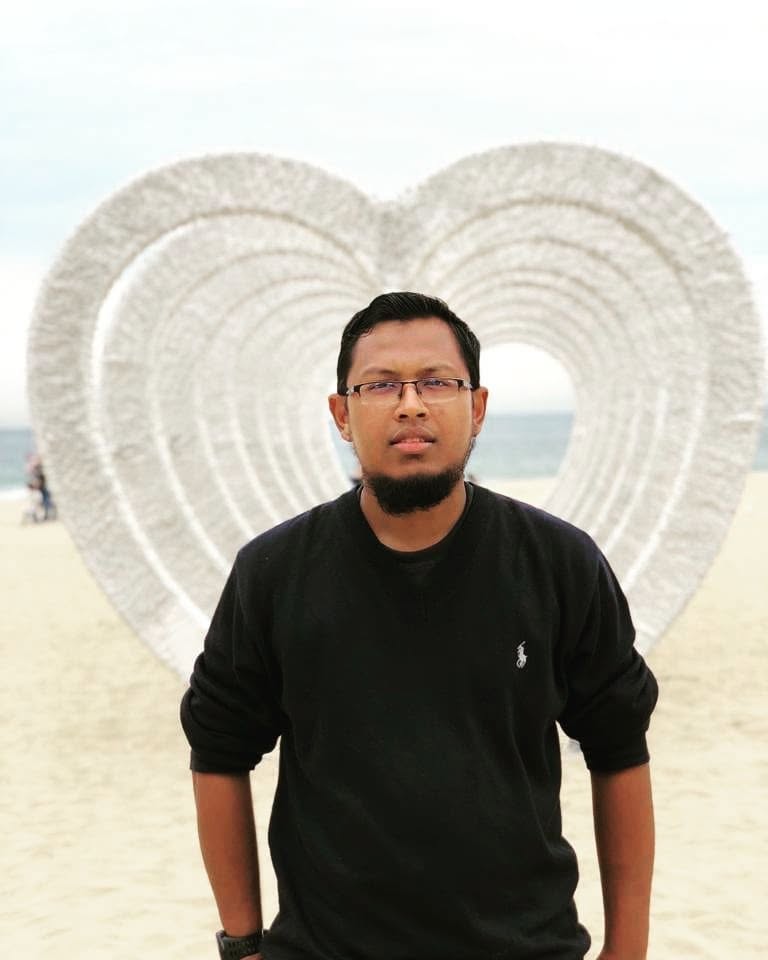
Zufar Marwah
Founder & Lead Developer
Building software for Malaysian businesses since 2015 — first as a freelancer, then as Appcademy from 2021. Champion of MyHackathon 2016, second at the Penang Open Data Hackathon 2018 and third at the MAMPU Open Data Hackathon 2019. Since then the work has mostly been the unglamorous kind: taking an SME off paper, spreadsheets and WhatsApp, and onto a system its staff will actually use — 30+ clients, and 100+ people taught to build for themselves.